
Flooring
Natural Flooring: Sisal, Seagrass, Coir and Wool-Rich Weaves
Natural flooring covers plant-fibre weaves such as sisal, seagrass and coir, alongside wool-rich blends that combine natural texture with a softer feel. Each fibre has distinct strengths: sisal is durable and versatile, seagrass is naturally stain-resistant but unsuitable for stairs, coir is robust but coarse, and wool-rich weaves suit bedrooms where comfort matters more than pure texture.
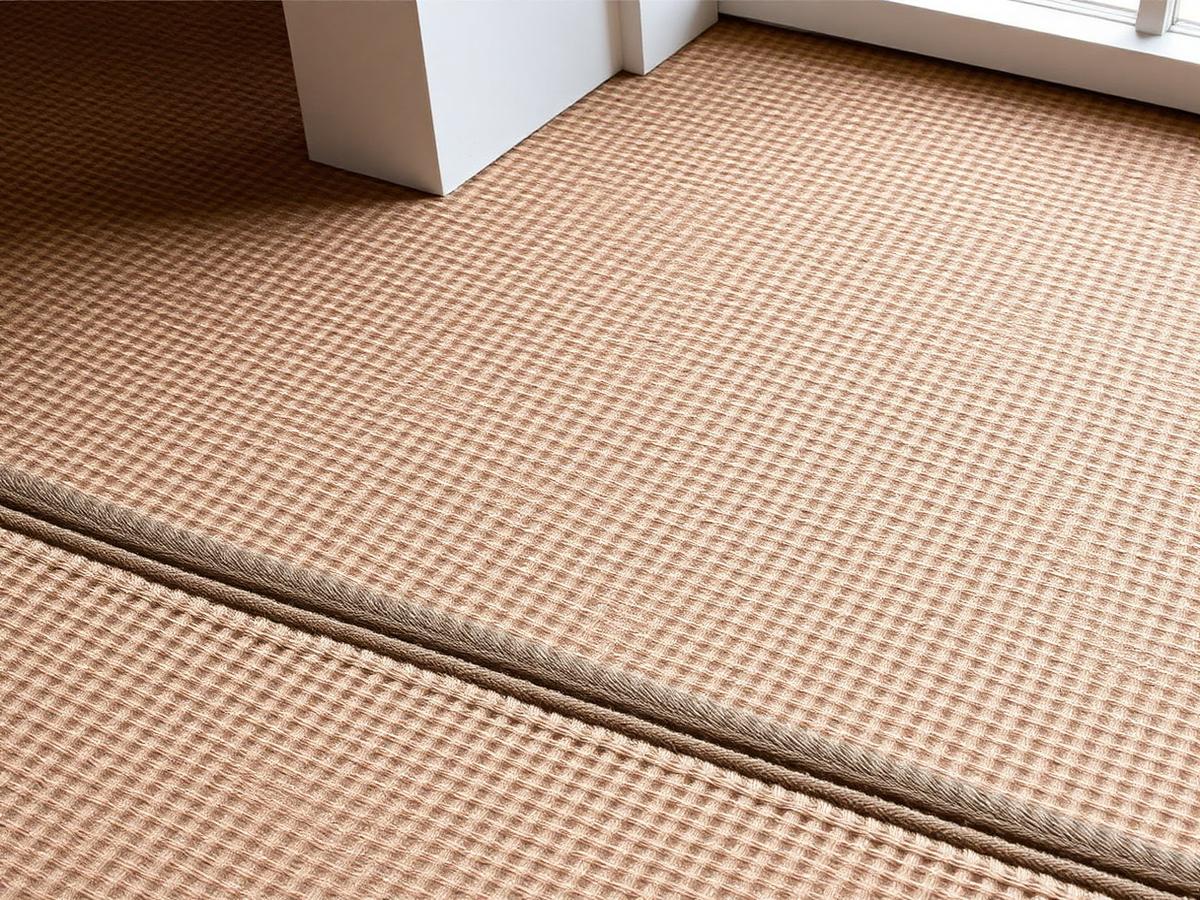
Natural flooring brings a textural, organic quality that manufactured fibres cannot replicate, but each fibre type has genuine limitations that matter for where it is used. We advise honestly on sisal, seagrass, coir and wool-rich weaves, including where each is, and is not, appropriate, and manage the specialist installation these materials require.
Honest fibre guidance
Clear advice on where sisal, seagrass and coir genuinely work, and where they do not.
Specialist installation
Natural weaves require particular handling, seaming and acclimatisation.
Border and binding options
Bound or bordered edges to finish natural flooring neatly.
Wool-rich alternatives
Softer, more forgiving blends where comfort is a priority.
Sisal
Sisal is woven from agave fibre and is among the most durable and versatile natural flooring options, with a fine, relatively even texture and good resistance to wear. It takes dye well, so it is available in a wide range of colours, and can be finished with a bound border for a more tailored appearance.
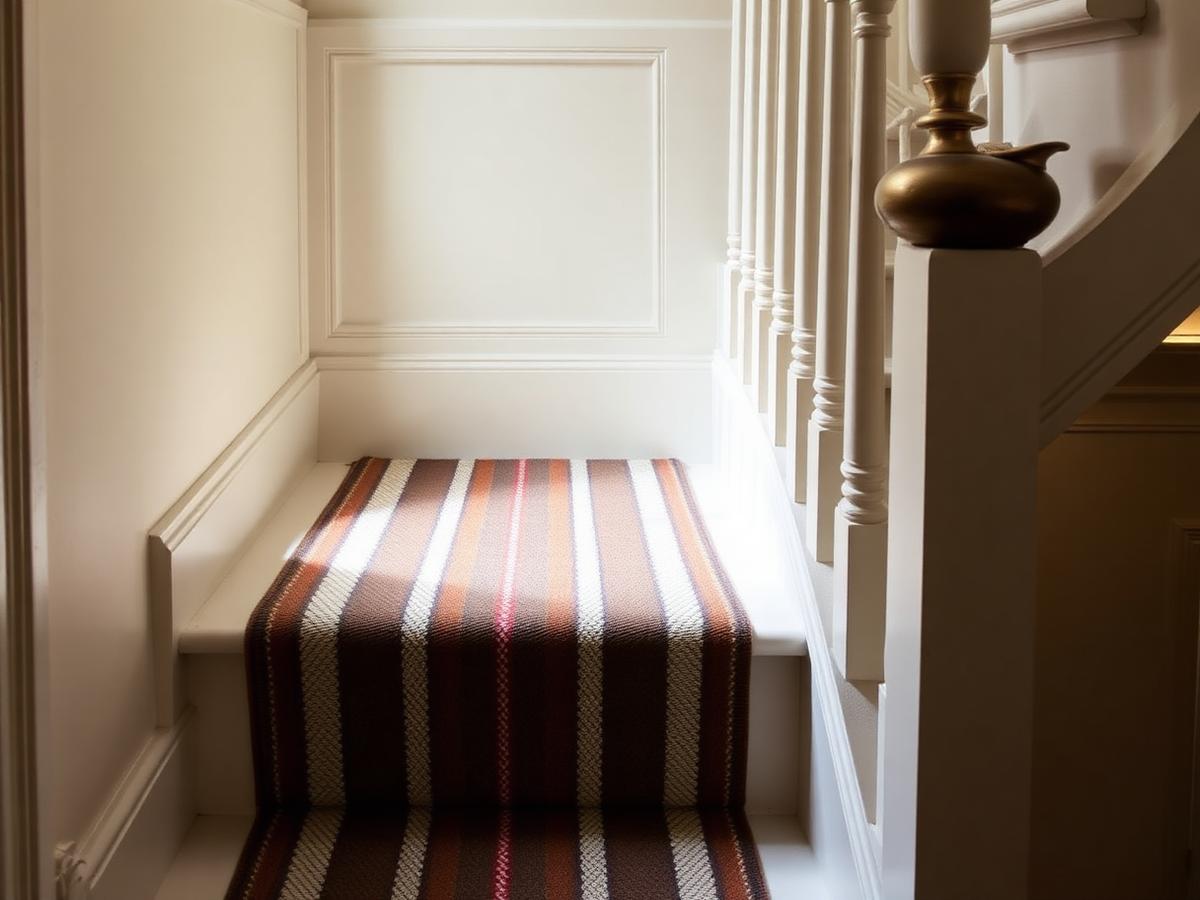
Sisal suits hallways, staircases, dining rooms and living rooms reasonably well, though like all natural fibres it should be protected from prolonged damp and is not the best choice for bathrooms or areas prone to standing moisture.
Seagrass
Seagrass has a naturally smooth, slightly waxy fibre that gives it good resistance to staining, making it a practical choice for dining rooms and family living spaces where spills are likely.
However, its smooth fibre also makes it slippery underfoot and it does not take dye evenly, which limits colour options and makes it unsuitable for stairs, where a secure foothold matters, and generally advised against in bathrooms.
Coir
Coir, made from coconut husk fibre, is coarse, robust and has a distinctive rustic texture, making it well suited to hallways, boot rooms and utility spaces where a hardwearing, low-maintenance natural floor is wanted.
Its coarse texture makes it less comfortable underfoot than sisal or wool-rich alternatives, so it is not generally recommended for bedrooms or living rooms where comfort is a higher priority.
Wool-rich weaves
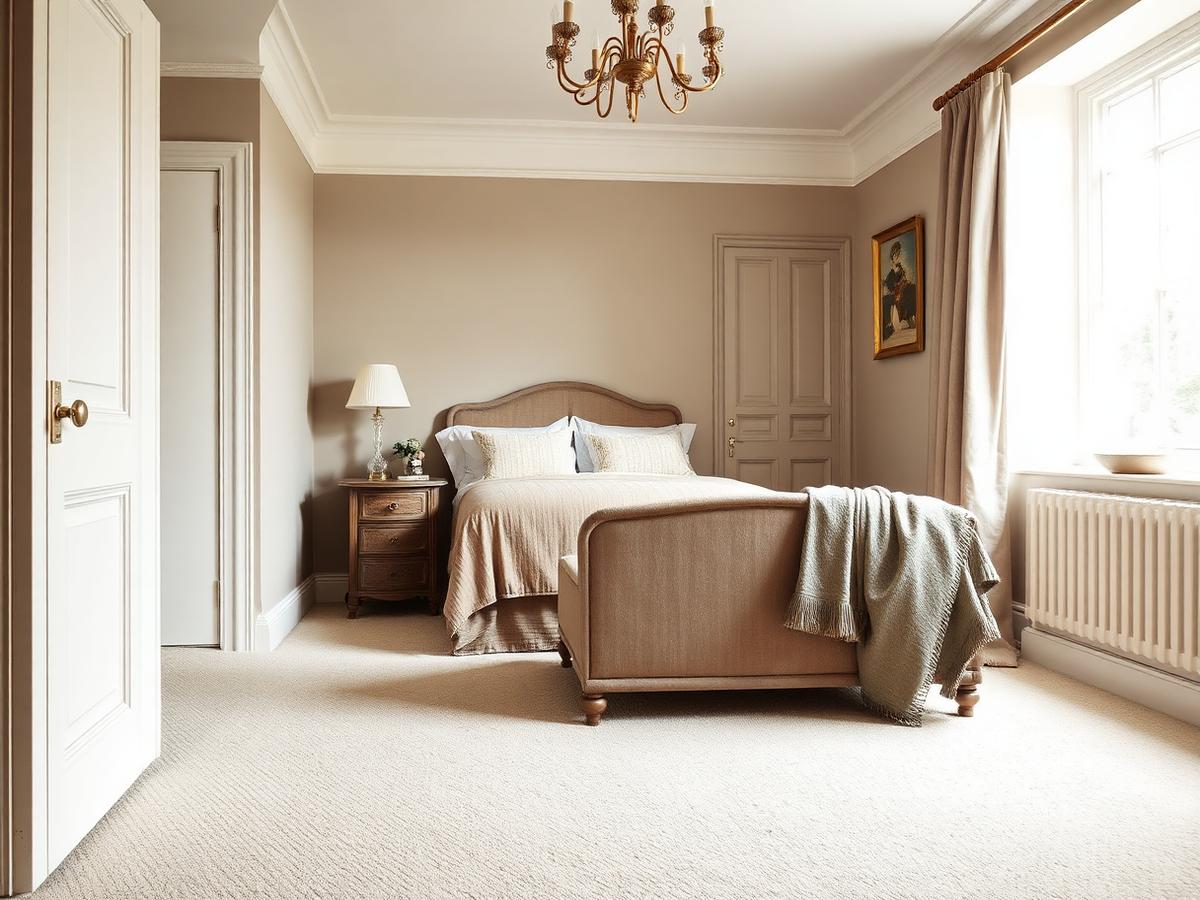
Wool-rich natural weaves combine a natural fibre such as sisal with a proportion of wool, softening the texture considerably while retaining a natural, textural appearance. These blends suit bedrooms and living rooms where the look of natural flooring is wanted alongside genuine comfort underfoot.
Where natural flooring is not suitable
All natural fibres are more vulnerable to moisture than synthetic alternatives and are generally unsuitable for bathrooms, and are best avoided in kitchens where spills are frequent, since staining can be difficult or impossible to remove fully depending on the fibre.
Seagrass specifically should not be used on stairs due to its slippery surface, and coir's coarse texture makes it a poor choice wherever bare feet or comfort underfoot is a priority.
- Sisal: hallways, stairs, dining and living rooms
- Seagrass: dining rooms and living areas, not stairs or bathrooms
- Coir: hallways, boot rooms and utility spaces
- Wool-rich: bedrooms and living rooms where comfort matters
Staining, borders and specialist installation
Natural fibres are more prone to visible staining than synthetic carpet and typically cannot be treated with the same stain-resistance finishes, so prompt blotting of spills and realistic expectations about marking over time are both important considerations before choosing them.
A bound or bordered edge, often in cotton or a contrasting fabric tape, gives natural flooring a finished, tailored appearance and helps prevent fraying at the perimeter.
Natural fibre floor coverings require specialist installation, including careful acclimatisation to the room's humidity before fitting, precise seaming since patterns and weave direction must align, and appropriate underlay and gripper specification, as these materials behave differently underfoot from tufted or woven wool carpet.
| Fibre | Feel | Stain resistance | Best suited to | Avoid in |
|---|---|---|---|---|
| Sisal | Fine, firm texture | Moderate | Hallways, stairs, living rooms | Bathrooms, damp areas |
| Seagrass | Smooth, slightly waxy | Good | Dining rooms, living areas | Stairs, bathrooms |
| Coir | Coarse, robust | Moderate | Hallways, boot rooms, utility | Bedrooms, living rooms |
| Wool-rich | Soft, textured | Good | Bedrooms, living rooms | Very high-moisture areas |
Caring for your natural flooring
- Vacuum regularly using a suction-only setting to avoid pulling at the weave.
- Blot spills immediately, as natural fibres stain more readily than treated synthetic carpet.
- Avoid wet cleaning methods; use only products and approaches recommended for the specific fibre.
- Keep natural flooring away from prolonged direct moisture, including near external doors in wet weather.
- Maintain reasonably stable indoor humidity to prevent the weave stretching or shrinking.
Frequently asked questions
- What is the most durable natural flooring option?
- Sisal is generally the most durable and versatile natural fibre, with good resistance to wear and a fine texture that suits hallways, stairs and living rooms. Coir is also hardwearing but coarser and better suited to utility spaces than living areas.
- Can seagrass flooring be used on stairs?
- No, seagrass is not recommended for stairs because its naturally smooth, waxy fibre makes it slippery underfoot, which is a safety concern on a staircase. Sisal or a wool-rich weave is a better choice where a natural look is wanted on stairs.
- Is natural flooring suitable for a bathroom or kitchen?
- Generally not. Natural fibres are more vulnerable to moisture damage and staining than synthetic alternatives, and spills in a kitchen or dampness in a bathroom can cause lasting marks or deterioration that cannot be fully treated or removed.
- What is wool-rich natural flooring?
- Wool-rich natural flooring blends a natural fibre such as sisal with a proportion of wool, giving a softer feel underfoot than pure plant fibre while retaining a natural, textural appearance, making it a good option for bedrooms and living rooms.
- Does natural flooring stain easily?
- Yes, natural fibres generally stain more readily than treated synthetic carpet and cannot be finished with the same stain-resistant treatments. Prompt blotting of spills is important, and realistic expectations about marking over time should be part of the decision to use them.
- Can natural flooring be fitted with a border?
- Yes, a bound or bordered edge, often in cotton or a contrasting fabric tape, gives a tailored, finished appearance and helps prevent fraying at the edges, and is a popular detail with sisal and coir flooring in particular.
- Does natural flooring require special installation?
- Yes, natural fibres need to acclimatise to a room's humidity before fitting, require precise seaming to align pattern and weave direction, and use different underlay and gripper specifications from woven or tufted wool carpet, which is why specialist experience matters.
Last reviewed 2026-08-04.
Other flooring collections
Consultation
Planning a flooring project?
Tell us about your property, ideas and timescale. We will help you explore the most suitable materials and arrange the next step.