
Preparation
Floor preparation for LVT: moisture, latex and DPMs explained
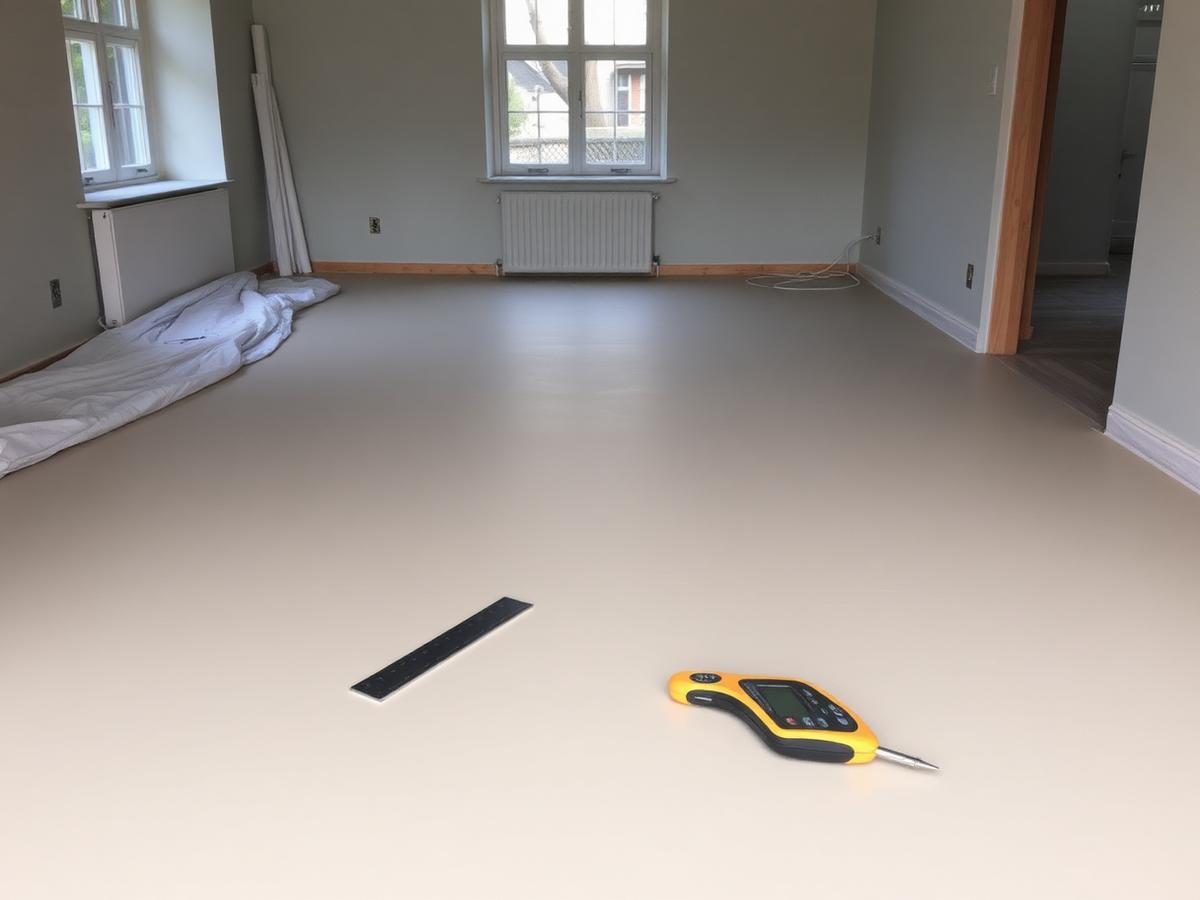
LVT needs a subfloor that is clean, sound, dry and genuinely flat, since even small imperfections telegraph through the finished surface over time. Preparation typically involves moisture testing the subfloor, applying a latex smoothing compound where levelling is needed, and installing a damp-proof membrane if moisture readings exceed the level suitable for the flooring and adhesive being used.
Why preparation matters more with LVT than with carpet
LVT is a relatively thin, rigid material laid in close contact with the subfloor, which means it reveals imperfections that carpet's cushioning underlay would otherwise disguise. A subfloor that feels acceptable underfoot can still have enough unevenness or debris to cause visible telegraphing, adhesive failure or premature wear once LVT is fitted over it.
Moisture testing as the essential first step
Before any levelling or fitting work begins, the subfloor should be tested for moisture content, since excess moisture beneath LVT can cause adhesive failure, tile lifting or, over time, damage that requires the floor to be relaid entirely. This is particularly important on ground floor concrete slabs, newly laid screeds, or in properties where damp issues are known or suspected.
Moisture testing methods vary in accuracy, and the appropriate approach depends on the subfloor type and the product being fitted, so this is best assessed on site rather than assumed from a general rule.
When a damp-proof membrane is required
Where moisture readings exceed the tolerance of the LVT and adhesive system being used, a damp-proof membrane is applied to the subfloor before any levelling compound or flooring is installed. This is a specialist, moisture-blocking treatment, not an optional extra, and skipping it where readings indicate it is needed risks flooring failure that can be costly and disruptive to correct later.
Latex smoothing compound and levelling
Most concrete and screeded subfloors benefit from a latex smoothing compound to correct minor unevenness, fill surface imperfections and provide a consistent, sound base for adhesive or click LVT. The depth and type of latex used depends on the extent of levelling required and the condition of the existing subfloor.
- Sound, structurally stable subfloor as the starting point
- Moisture testing to establish whether a DPM is required
- Latex smoothing compound applied where levelling is needed
- A final check for flatness, cleanliness and adhesion before fitting begins
Timber subfloors and LVT
Timber subfloors bring different considerations, including the need for a sufficiently rigid, well-fixed substrate, often an additional plywood overlay, to prevent flex that can cause LVT joints to open over time. Moisture is still relevant on timber subfloors, particularly in older suspended timber floors with inadequate ventilation beneath.
What happens if preparation is skipped
Fitting LVT directly onto an unprepared, uneven or untested subfloor is one of the most common causes of flooring failure we are asked to investigate. Symptoms range from visible ridges and dips telegraphing through the surface to tiles lifting, gapping at seams, or adhesive breaking down where moisture has been trapped beneath the floor.
Frequently asked questions
- Does LVT need a perfectly level floor?
- LVT does not need to be mathematically perfect, but it does need to be genuinely flat and free of ridges, dips or debris, since even small imperfections can telegraph through the finished surface or cause premature wear at high points. Most subfloors benefit from a latex smoothing compound to achieve the flatness needed before LVT is fitted.
- When is a damp-proof membrane required beneath LVT?
- A damp-proof membrane is required when moisture testing shows the subfloor's moisture content exceeds the tolerance of the LVT and adhesive system being used, which is common in ground floor concrete slabs, new screeds, or properties with a history of damp. The specific threshold depends on the products involved, so testing should always precede the decision rather than assuming it either way.
- Why does subfloor moisture testing matter so much?
- Excess moisture beneath LVT can cause adhesive failure, tile lifting and long-term damage to the flooring, and these issues are far more costly to correct after installation than they are to prevent beforehand. Testing gives an objective basis for deciding whether a damp-proof membrane or further drying time is needed before fitting proceeds.
- Can LVT be fitted over old vinyl or tiles?
- In some cases yes, provided the existing surface is sound, well-bonded, flat and free of the kind of texture or joints that would telegraph through the new LVT, though this needs to be assessed on a case-by-case basis. Where the existing surface is uneven, damaged or of uncertain composition, it is generally safer to remove it and prepare the subfloor beneath properly.
Written by The Floor & Form studio team, reviewed by Floor & Form installation team. Published 2026-08-04, last updated 2026-08-04.
Consultation
Planning a flooring project?
Tell us about your property, ideas and timescale. We will help you explore the most suitable materials and arrange the next step.